
 Español
 Home
Decarbonization Plan 2026–2030
GCR’s Decarbonization Plan 2026–2030 defines a roadmap to reduce greenhouse gas emissions per tonne produced as recycled plastic production grows. The plan is structured around four pillars: electrification, renewable energy, energy efficiency, and measurement and continuous improvement.
From emissions measurement and energy monitoring to process optimization, clean energy and mobility, the roadmap sets out defined actions through 2030 across GCR’s operations and value chain.
From measurement to action
“We don’t change things only by intentions, it’s all about the actions”
Our decarbonization roadmap combines emissions measurement with defined actions in renewable energy, energy efficiency, electrification and operational improvement.
-
Measuring our emissions: We measure emissions from our own operations and purchased energy (Scopes 1 and 2) and are progressively extending the assessment to Scope 3 emissions across our value chain.
-
Increasing renewable energy: In 2025, on-site photovoltaic systems at our La Bisbal site generated approximately 2 GWh, covering 7.14% of the site’s electricity consumption.
-
Improving energy efficiency: A dedicated energy-saving project delivered 404.3 MWh/year of verified energy savings in 2025. The 2026–2030 roadmap also includes waste-heat recovery at Castellet, with expected savings of 1,030 MWh/year and an estimated reduction of 266 tCO₂e/year.
-
Electrifying operations: The roadmap includes further electrification of internal logistics, progressive fleet renewal and assessment of alternatives to fossil fuels in thermal installations.

Measuring our environmental progress
We monitor key environmental indicators to track energy performance, greenhouse gas emissions and the impact of our materials over time.

2 GWh
On-site solar energy generated in 2025
covering 7.14% of electricity consumption at the La Bisbal site

17 years
measuring and validating product carbon footprints. From PAS 2050 to ISO 14067.

246,600 tCO₂e*
emissions avoided in 2025 through the substitution of virgin polymers with GCR materials
*Based on GCR’s 2025 annual CO₂e savings calculation. Calculations use cradle-to-gate LCA data aligned with ISO 14067.
Materials designed to reduce virgin polymer use
GCR develops high-quality recycled polyolefins and advanced mineral masterbatches that help manufacturers incorporate recycled content, reduce virgin polymer use and lower product carbon footprint, depending on the material, formulation and application.

 RECYCLED POLYOLEFINS: CICLIC®
High-quality recycled rPP and rPE solutions designed to incorporate pre-consumer and post-consumer content while delivering consistent quality and high-performance across diverse applications.
 CICLIC® Recycled Polyolefins
PCR POLYOLEFINS: CICLICNXT®
Next-level line of certified PCR polyolefins (rPP, rPE) engineered to meet the demands of continuous, industrial-scale production, with consistent quality and performance comparable to virgin materials.
CICLICNXT® PCR Polyolefins at Scale
ADVANCED MINERAL MASTERBATCHES: GRANIC®
Mineral-based solutions designed to reduce virgin polymer content while supporting processing efficiency, lower energy use and mechanical performance, across a wide range of applications.
GRANIC® Advanced Masterbatch
Product carbon footprint and life-cycle data support material comparison and informed material decisions.
We know that every step matters
Life-Cycle Assesment (LCA)
Cradle-to-gate assessments to quantify environmental impacts and compare material alternatives.
View LCA approach
Certifications
Standards and certifications supporting quality, environmental management, traceability and product carbon footprint.
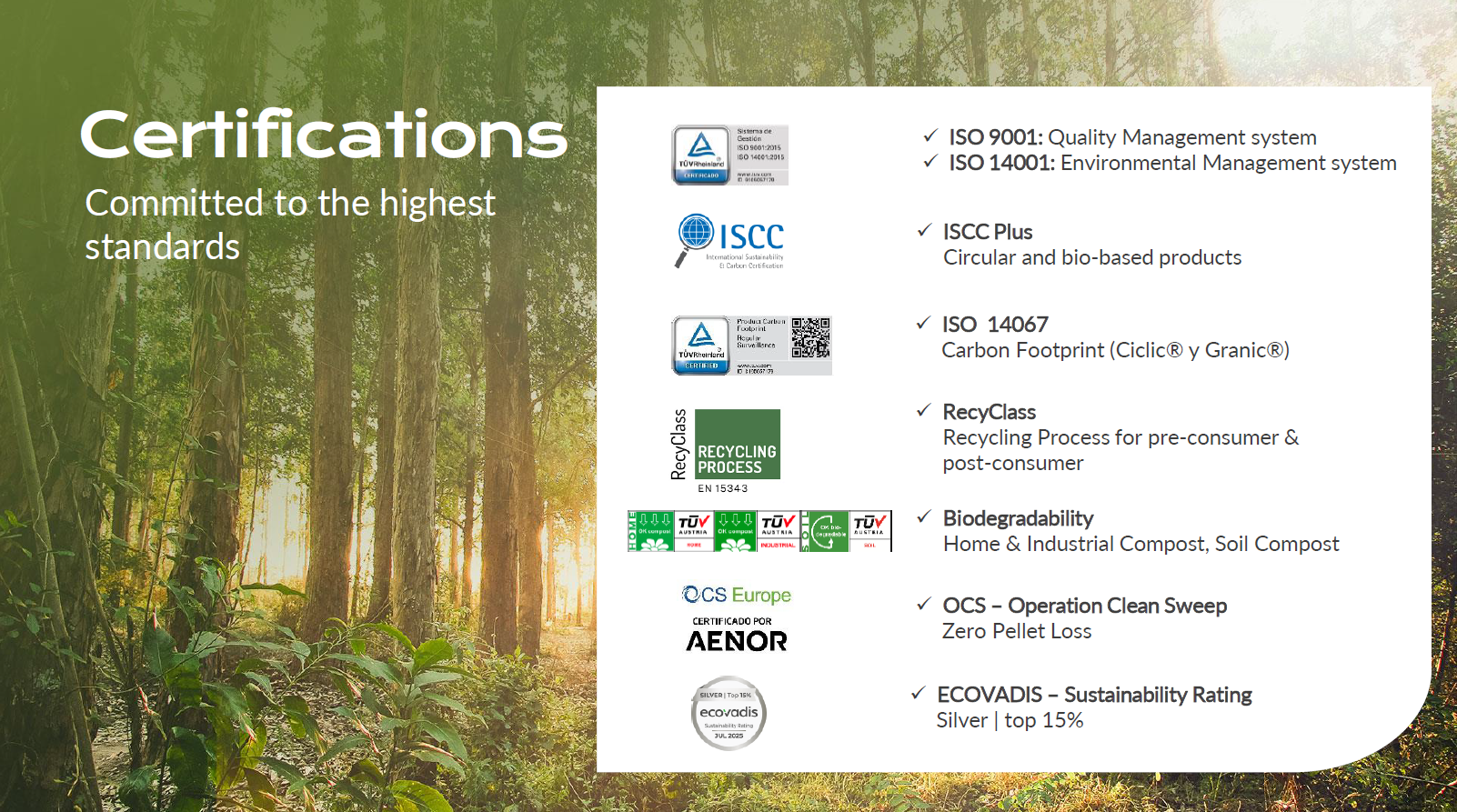 View certifications
Associations
Collaboration with industry organisations across plastics, recycling, packaging and circularity.
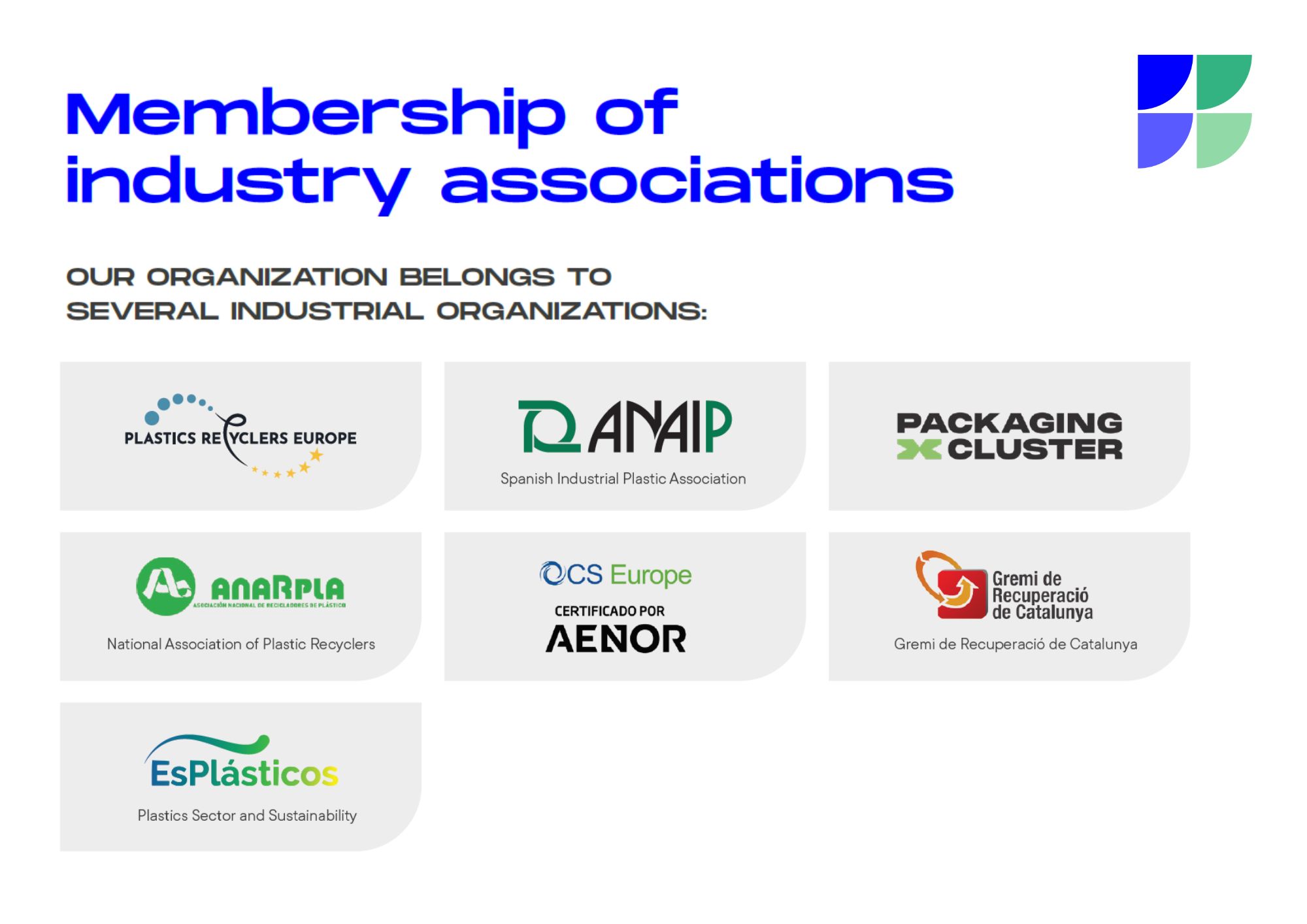 View associations
Let’s talk
Connect with a GCR expert
